Cancer rates are predicted to be the leading cause of death by 2050, which makes screening and early detection vital
(PRUnderground) March 11th, 2026
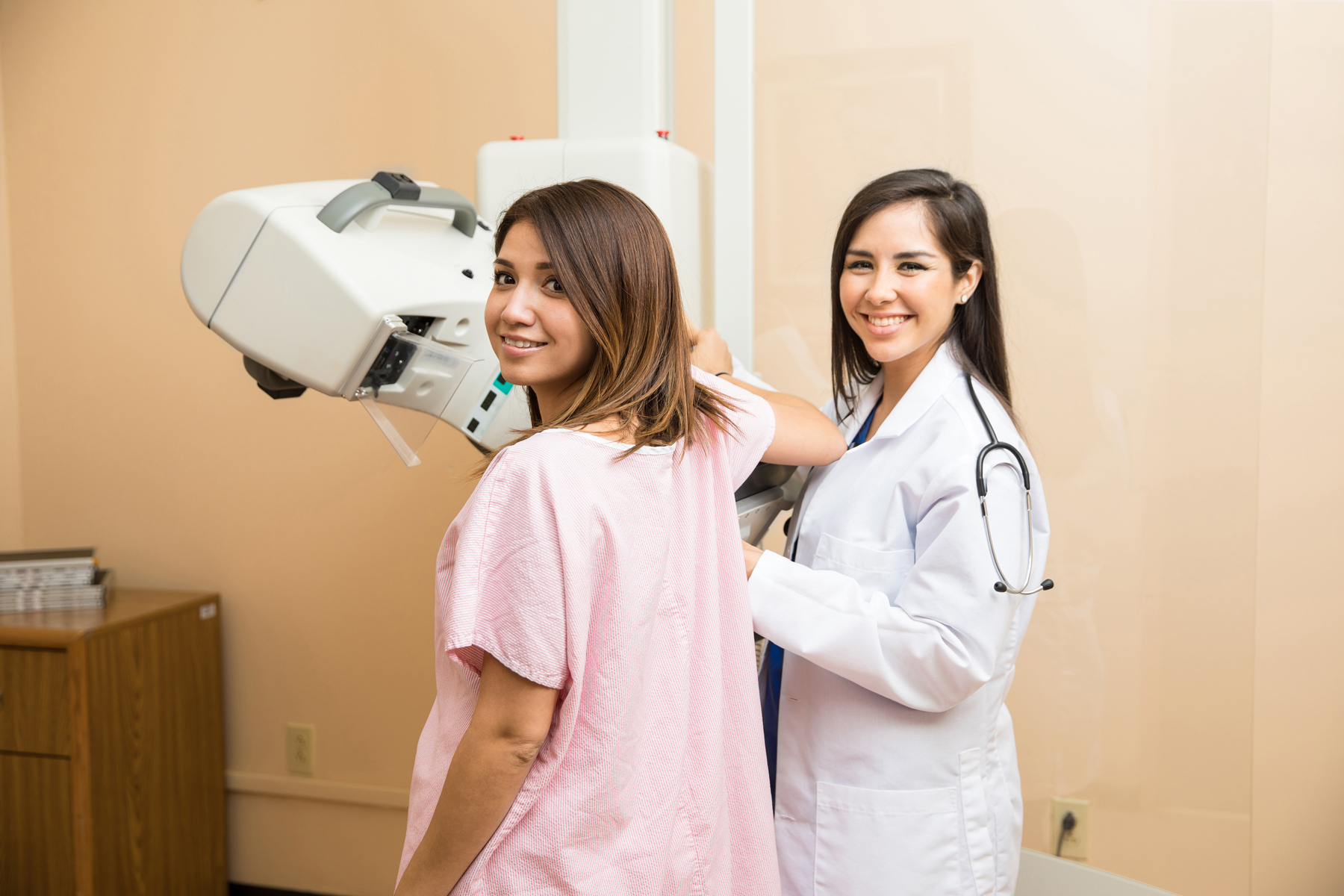
While fear may be keeping people from getting screened for cancer, screening can be a lifesaver for those at risk allowing earlier interventions and treatment.
Cancer will become the leading cause of death globally by 2050 without intervention due to aging and growth of population, according to a new American Cancer Society (ACS) report, The Cancer Atlas.
According to the study, there are 19 million people diagnosed with cancer and 10 million deaths each year (excluding non-melanoma skin cancer) globally.
In 2024, Intermountain Health’s Oncology Program saw 16,000 new cancer patients across their footprint in Colorado, Idaho, Montana, Nevada, and Utah.
“The purpose of regular screenings is to catch cancer at earlier stages prior to symptoms appearing, making it easier to treat,” said Maria Borrero, MD, an oncologist for Intermountain Health at Intermountain Health Alta View Hospital. “Fear may be keeping people away, but it will contribute to higher cancer diagnoses.”
Lung Cancer
Lung cancer continues to be the most commonly diagnosed cancer and leading cause of cancer death worldwide, killing about 1.8 million people each year.
Smoking tobacco (including e-cigarettes) is the leading cause of lung cancer. About 85 percent of lung cancer deaths in 2025 are expected to be caused by smoking.
Not everyone who gets lung cancer smokes. Many others will be caused by various factors such as exposure to radon, secondhand smoke, air pollution, asbestos, and gene changes to name a few.
A test known as a low-dose CT (LDCT) scan is used to screen people who are at higher risk (mainly because they smoke or used to smoke) for lung cancer.
Those who are at a higher risk are recommended to get people yearly LDCT scans before symptoms start helps lower the risk of dying from lung cancer. Lung cancer symptoms don’t usually become apparent until the disease is at a later stage.
Colorectal cancer
Colorectal cancer rates continue to rise in younger patients. This rise is alarming because younger patients often have more advanced cases by the time they’re diagnosed.
Updated national guidelines make it possible for more people to be screened with a colonoscopy and stool-based testing starting at age 45.
Awareness is crucial, as many cases of colon and rectal cancer can be prevented. In fact, colon cancer has a 90% survival rate when detected early.
Colonoscopies are considered the gold standard for colon cancer detection, as it not only detects abnormalities, but removes precancerous lesions. Intermountain Health makes it easier to schedule a colonoscopy with an online system, ensuring you have access to this vital screening option.
Women’s Health Screenings
Data shows that women over 40 years old in Utah, Colorado, and Nevada rank in the bottom 10 states across the U.S. for mammogram screenings and pap smears.
Breast Cancer
Women in in the United States have a one in eight chance of being diagnosed with breast cancer. Breast cancer is also the second leading cause of deaths for women nationwide.
Intermountain Health recommends women at an average risk for breast cancer begin their annual screening mammography at the age of 40 – and should continue screening for as long as they’re healthy.
Women may need to start screening earlier than 40 if they have a family history of breast cancer or detect anything unusual, they should speak with their doctor about it.
Cervical cancer
Cervical cancer is the fourth-most common cancer in women around the world. In fact, more than 14,000 women in the United States are diagnosed with cervical cancer each year, but thanks to early screenings, tests and vaccination the disease is preventable and treatable.
It is commonly diagnosed around the age of 30, although the average age of diagnosis is 50. Nearly all cervical cancer is caused by infection with the human papillomavirus (HPV). HPV is a group of more than 150 viruses that are highly contagious and very common. Nearly 85% of all people will be infected with HPV during their lifetime.
A screening test, called a Pap smear, can find abnormal cells before they become cancer. During a Pap smear, cells from the cervix are collected and examined under a microscope to check for the presence of cancer.
Intermountain Health follows the recommendations from several national organizations that all women begin cervical cancer screening with a Pap test at age 21.
Women should have a Pap test every three years until age 29. From age 30 to age 65, women should either continue to have a Pap test every 3 years or can choose to have an HPV test every five years.
Access
Intermountain Health is working to make screening accessible to all by providing routine screening in a location near you.
Currently, 80% of Utah’s population lives within 20 minutes away from a cancer location.
“Early screenings could ultimately save many lives. Our oncology teams hold highly experienced specialists who are at the helm and ready to support each patient in whatever step of the journey they’re in,” said Dr. Borrero.
For more information on cancer, or to find a physician visit www.Intermountainhealthcare.com/cancer or go here.
About Intermountain Health
Headquartered in Utah with locations in six states and additional operations across the western U.S., Intermountain Health is a nonprofit system of 34 hospitals, approximately 400 clinics, medical groups with some 4,600 employed physicians and advanced care providers, a nonprofit health plan called Select Health with more than one million members, and other health services. Helping people live the healthiest lives possible, Intermountain is committed to improving community health and is widely recognized as a leader in transforming healthcare by using evidence-based best practices to consistently deliver high-quality outcomes at sustainable costs. For up-to-date information and announcements, please see the Intermountain Health newsroom at https://news.intermountainhealth.org/. For more information, see intermountainhealth.org/ or call 801-442-2000.
The post Early Cancer Detection Helps Lead to Better Outcomes, According to Intermountain Health first appeared on
Original Press Release.