
Find Affordable Dental Implants located in Fort Worth
Fort Worth, United States - January 12, 2026 / Affordable Dentist Near Me of Fort Worth /
The Ultimate Guide to Dental Implants: Reclaiming Your Smile, Confidence, and Health
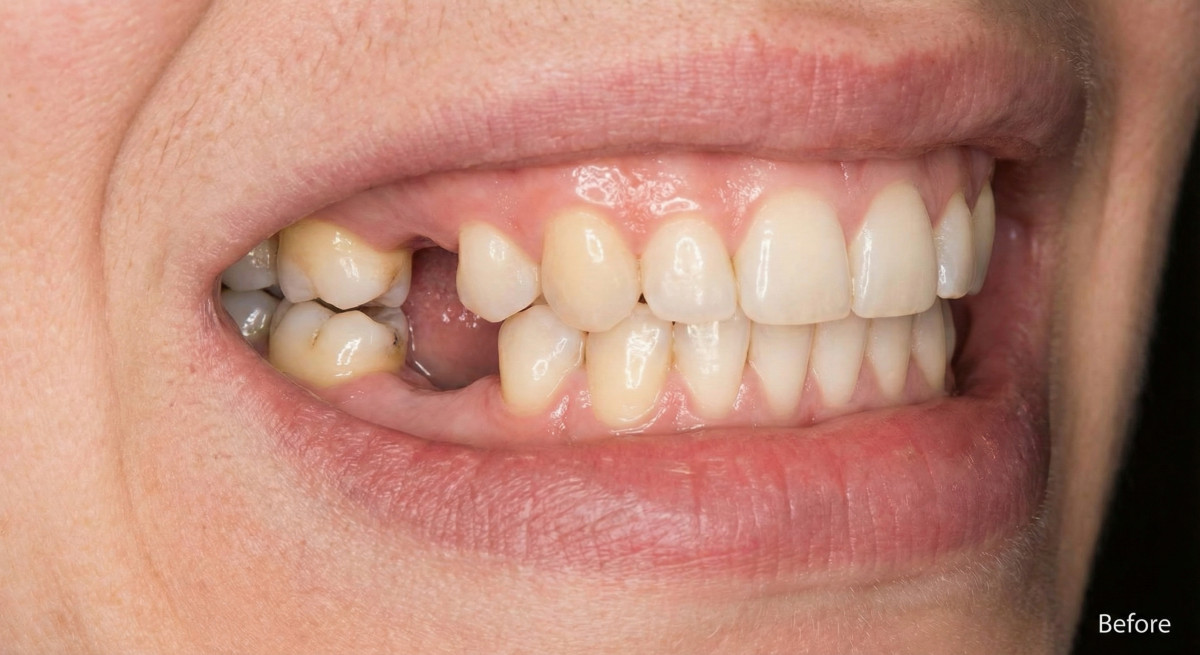
For millions of adults, a missing tooth is more than just a cosmetic gap in a photograph—it is a daily source of discomfort, insecurity, and declining oral health. Whether caused by decay, gum disease, or an accident, losing a tooth changes the way you eat, speak, and interact with the world.
For decades, the standard solutions for missing teeth were bridges or removable dentures. While helpful, these options often came with compromises: slipping appliances, food restrictions, and the need to grind down healthy adjacent teeth.
Enter the dental implant.
widely regarded as the "gold standard" in modern dentistry, dental implants are the only restorative method that replaces the entire tooth structure—from root to crown. If you are considering restoring your smile, this guide will walk you through everything you need to know about the procedure, the investment, and the life-changing results.
Part 1: What Exactly Is a Dental Implant?
Many patients believe a dental implant is just the white "tooth" they see in the mirror. However, a successful implant restoration is actually an engineering marvel composed of three distinct parts working in harmony.
1. The Implant Body (The Post)
This is the anchor. It is a small screw, typically made of medical-grade titanium or zirconia. It is surgically placed into your jawbone to serve as a replacement for the natural tooth root. Titanium is used because it is "biocompatible," meaning the body rarely rejects it. Instead, the bone heals tightly around it in a process called osseointegration.
2. The Abutment (The Connector)
Once the implant post has fused with the jawbone, an abutment is placed on top of it. This piece acts as a connector, extending slightly above the gum line to hold the new tooth in place.
3. The Restoration (The Crown)
This is the part everyone sees. It is a custom-crafted porcelain or ceramic crown that looks, feels, and functions like a natural tooth. It is cemented or screwed onto the abutment, completing the process.
Part 2: Why Choose Implants? (The Hidden Risks of Missing Teeth)
When you lose a tooth, the cosmetic issue is obvious. But beneath the surface, a silent and destructive process begins immediately: Bone Resorption.
Your jawbone requires stimulation to maintain its volume and density. That stimulation comes from the impact of your teeth coming together when you chew. When a tooth is lost, that stimulation stops. The body interprets this as the bone no longer being needed, and it begins to resorb (dissolve) that bone.
The consequences of untreated tooth loss include:
Premature Aging: As the jawbone shrinks, the lower third of the face begins to collapse. This causes lips to thin, wrinkles to form around the mouth, and the chin to point upward, creating a "witch's chin" appearance that makes you look significantly older.
Shifting Teeth: The teeth surrounding a gap will naturally drift inward to fill the space, leading to misalignment and bite issues.
Super Eruption: The tooth on the opposing arch (above or below the gap) may start to grow longer (erupt) because there is no opposing tooth to stop it.
The Implant Advantage: Dental implants are the only tooth replacement option that stimulates the jawbone, halting bone loss and preserving your facial structure.
Part 3: Are You a Candidate?
Most adults with good general health are candidates for dental implants. However, success relies on a few key factors:
Adequate Bone Density: You need enough bone to support the implant. (If you don't have enough, don't worry—we will discuss "Bone Grafting" in a later section).
Healthy Gums: Patients with active periodontal (gum) disease must have it treated before implant surgery to prevent infection.
Overall Health: Uncontrolled diabetes or autoimmune disorders can affect healing. Heavy smoking also significantly slows recovery and increases the risk of implant failure.
Part 4: The Step-by-Step Procedure
Many patients feel anxiety about the word "surgery." However, implant placement is a routine, highly predictable procedure. Here is what the journey looks like.
Phase 1: Consultation and Digital Planning
Modern implant dentistry is digital. We use 3D Cone Beam CT scans to get a 360-degree view of your nerves, sinuses, and bone density. We "place" the implant virtually on a computer screen before we ever touch your mouth, ensuring precision.
Phase 2: The Procedure
Anesthesia: The area is thoroughly numbed. Most patients report that the procedure is actually easier and less painful than having a tooth extracted.
Placement: The doctor makes a small incision in the gum and places the titanium post into the bone.
Suturing: The gums are stitched closed (or a "healing cap" is placed) to allow the site to heal.
Phase 3: Osseointegration (The Healing Period)
This is the most critical phase. Over the next 3 to 6 months, your bone grows onto the surface of the implant, locking it in place. You will not be toothless during this time; temporary options are available to maintain your smile while you heal.
Phase 4: Restoration
Once the implant is fully integrated, you return to the office to have your custom crown attached. The result is a tooth that can tear into an apple, chew steak, and smile with confidence.
Part 5: Overcoming Obstacles: Bone Grafts and Sinus Lifts
"What if I’ve been told I don't have enough bone?"
In the past, this meant you were stuck with dentures. Today, thanks to Bone Grafting, almost anyone can become a candidate for implants.
Bone Grafting: This involves placing bone granules (from a donor, synthetic source, or your own body) into the area where bone is missing. This acts as a scaffold for your body to regenerate its own new, healthy bone.
Sinus Lifts: In the upper jaw, the sinus cavity sometimes sits too close to the roots of the teeth. A sinus lift gently pushes the sinus membrane up and adds bone underneath it, creating a safe foundation for an implant.
These procedures can often be done at the same time as the implant placement, though in severe cases, they may require a separate healing period.
Part 6: Single Tooth vs. Full Arch (All-on-4)
Dental implants are versatile. They don't just replace single teeth; they can anchor full bridges or dentures.
The "All-on-4" Solution: For patients missing all their upper or lower teeth (or those with failing teeth who are tired of the cycle of repairs), the "All-on-4" technique is revolutionary.
Instead of using an implant for every single missing tooth (which would require 12+ implants per jaw), we place 4 to 6 strategically angled implants. These pillars support a full, fixed arch of teeth.
This is often called "Teeth in a Day" because, in many cases, patients can have their failing teeth removed, implants placed, and a fixed set of temporary teeth attached all in a single appointment. You walk in with bad teeth and walk out with a brand-new smile.
Part 7: The "Pain" Question
Let’s address the elephant in the room: Does it hurt?
The anticipation is almost always worse than the reality. Because the jawbone has very few pain-sensing nerves, the discomfort is often minimal compared to gum surgery or extractions.
During the procedure: You are completely numb. You feel vibration and pressure, but no sharp pain. Sedation options (like nitrous oxide or IV sedation) are often available for anxious patients.
After the procedure: Most patients manage recovery with over-the-counter pain relievers like Ibuprofen or Tylenol. It is common to return to work the next day or the day after.
Part 8: The Cost vs. Value Equation
Dental implants are an investment. The upfront cost is higher than a dental bridge or partial denture. However, when you look at the long-term economics, implants are often the most cost-effective solution.
The Bridge Trap: A traditional bridge requires grinding down two healthy teeth to support a fake one. Bridges typically last 10–15 years before they need replacement due to decay or wear. Over a lifetime, you might pay for that bridge three or four times.
The Implant Value: A well-maintained dental implant can last a lifetime. It does not damage adjacent teeth. It preserves your bone. When amortized over 20, 30, or 40 years, the daily cost of an implant is incredibly low—often less than the price of your daily coffee—for the ability to eat, laugh, and live without worry.
Part 9: Maintenance and Care
One of the best things about dental implants is that they require the same care as natural teeth.
Brush twice a day.
Floss daily (water flossers are excellent for cleaning around implants).
Visit your dentist for regular cleanings and exams.
While implants cannot get cavities, the gums around them can still get infected (a condition called peri-implantitis) if not kept clean. Good hygiene ensures your investment lasts forever.
Part 10: Conclusion
Living with missing teeth is a compromise you don't have to make. It affects your nutrition, your social life, and your self-esteem.
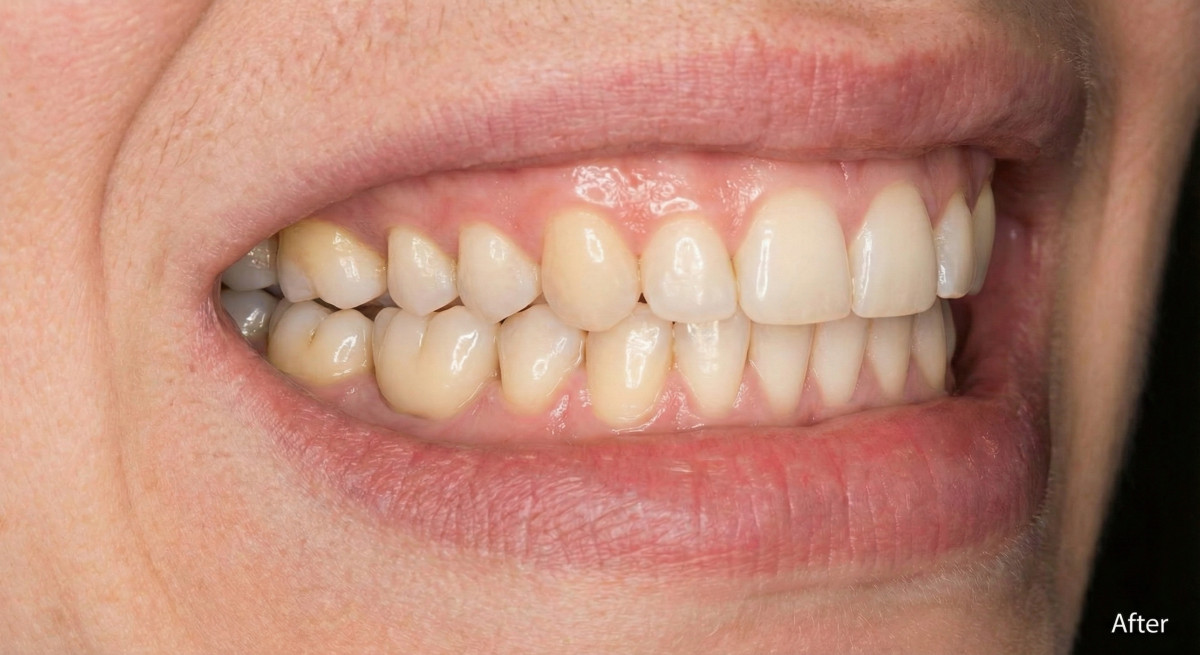
Dental implants are not just about "fixing teeth." They are about restoration. Restoring the ability to eat the foods you love. Restoring the structure of your face. Restoring the confidence to smile in photos without hiding your mouth behind your hand.
Technology has made this procedure safer, faster, and more comfortable than ever before. If you have been on the fence, now is the time to see what is possible.
Ready to transform your smile?
[Insert Practice Name] is currently accepting new implant patients. We offer a comprehensive consultation to discuss your needs, review your insurance or financing options, and build a roadmap to your new smile.
Call us today at [Phone Number] or click here to schedule your consultation.
FAQ: Quick Answers to Common Questions
Q: How long does the whole process take? A: Typically 3 to 6 months for the bone to heal, though you will have temporary teeth during this time so you never have to go without a smile.
Q: Will my insurance cover it? A: Many insurance plans now cover portions of the implant procedure, specifically the crown or the extraction. We can perform a complimentary benefits check to maximize your coverage.
Q: Am I too old for implants? A: There is no upper age limit! If you are healthy enough for a routine extraction, you are likely healthy enough for an implant. We have successfully placed implants in patients in their 80s and 90s, dramatically improving their quality of life.

Contact Information:
Affordable Dentist Near Me of Fort Worth
6426 Meadowbrook Dr
Fort Worth, TX 76112
United States
Mike Pham
+`18174962343
https://affordabledentistnearme.com/locations/fort-worth/