In HelloNation, HVAC Expert Brian Sinkler of Green Bay, WI Explains Why an HVAC System Runs Too Hard for HelloNation
PR Newswire
GREEN BAY, Wis., Feb. 12, 2026
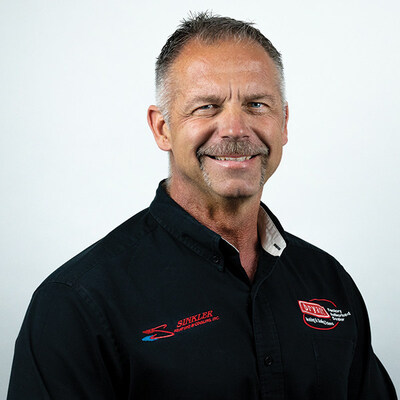
GREEN BAY, Wis., Feb. 12, 2026 /PRNewswire/ -- Why do energy bills rise even when the thermostat stays the same? A HelloNation article gives a clear answer and practical steps homeowners can take today. Readers can learn more in a HelloNation article featuring insights from Green Bay, WI, professional Brian Sinkler of Sinkler Heating and Cooling, Inc.
The article explains that a hardworking system is not always a healthy one. When an hvac system runs longer than needed, costs grow and comfort drops. The HelloNation piece outlines common causes and how to fix them before damage sets in.
Poor airflow is a leading reason systems overwork. The article notes that dust, debris, and pet hair inside ducts cut circulation. Reduced air movement forces equipment to run longer to hit the same temperature. That strain can wear out motors and fans faster than expected.
The solution starts with duct cleaning and a basic airflow check. According to the HelloNation article, a duct inspection can restore free movement through the system. Clearing blockages removes resistance and helps air reach every room without extra runtime.
Unbalanced airflow between rooms is another driver of high costs. The article points to leaky ductwork, weak insulation, or blocked registers as frequent culprits. If one area lags behind, the system keeps cycling to chase even temperatures across the home.
Targeted fixes can stop that cycle. Sealing duct leaks and adjusting registers can balance supply and return paths. The HelloNation coverage explains that small layout changes often bring quick comfort gains without major expense.
Routine maintenance is a simple way to prevent bigger problems. Filters clog over time and need regular replacement. Belts, fans, and coils should be checked and cleaned on schedule. The HelloNation article stresses that skipped tune-ups let small issues turn into bigger inefficiencies.
A dirty evaporator coil cannot transfer heat well. That single problem forces the hvac system to pull more power for the same result. The article adds that even a neglected filter can raise energy use by a notable margin, which homeowners often feel first on the bill.
Age matters, too. Older units cannot match modern efficiency and may need extra time to do the same job. The HelloNation piece says equipment over fifteen years old could be near the end of its service life. Maintenance helps, but it cannot restore lost design efficiency.
Replacement can be the better path when repairs no longer hold down costs. The article encourages homeowners to weigh long term energy savings against repeated fixes. Newer models reduce runtime and lower monthly spend when matched and installed correctly.
Thermostat placement affects how often a unit cycles. The HelloNation article explains that drafts or direct sunlight can trick a sensor. If the reading is off, the system turns on more often than it should. This adds stress even when settings look normal.
Programmable and smart thermostats help by matching run times to daily routines. The HelloNation piece notes that learning features can trim excess cycling. Better control means fewer starts and stops, which lengthens equipment life.
Insulation plays a big role in system workload. The article highlights that poor insulation dumps heat in winter and invites heat in summer. That temperature swing pushes the hvac system to run longer to hold a steady set point.
Upgrades in attics, crawl spaces, and exterior walls reduce that load. Sealing gaps around windows and doors limits drafts. The HelloNation coverage shows how these home improvements support steady comfort without constant runtime.
Homeowners should watch for signs of stress. The article lists uneven room temperatures, longer run cycles, and new duct noises as early warnings. Catching these indicators early prevents larger failures and keeps bills under control.
A seasonal inspection is a strong first step. The HelloNation piece recommends checking filters, coils, fans, and belts, along with a full airflow test. Technicians can measure pressure, confirm capacity, and compare results with maker guidelines. This helps the hvac system run at its designed level.
In Green Bay, HVAC Expert Brian Sinkler emphasizes practical fixes that fit a family's budget and schedule. His team at Sinkler Heating and Cooling, Inc. focuses on diagnosis first, then right-sized repairs. The HelloNation article shows how small steps, done on time, can unlock big savings.
Duct cleaning is often the fastest win. Restored airflow reduces strain and cuts runtime. The article explains that this single service can make the whole system feel new without changing any major parts. That helps homeowners feel results right away.
Regular attention protects the investment. The HelloNation piece concludes that balanced airflow, clean components, and proper insulation work together. When these basics are in place, an hvac system maintains comfort with less effort and lower cost.
For the full feature, read Why Energy Bills Rise When HVAC Runs Too Hard. The article highlights the experience of Brian Sinkler, an HVAC Expert in Green Bay, and the guidance provided through HelloNation.
About HelloNation
HelloNation is a premier media platform that connects readers with trusted professionals and businesses across various industries. Through its innovative "edvertising" approach that blends educational content and storytelling, HelloNation delivers expert-driven articles that inform, inspire, and empower. Covering topics from home improvement and health to business strategy and lifestyle, HelloNation highlights leaders making a meaningful impact in their communities.
 View original content to download multimedia:https://www.prnewswire.com/news-releases/in-hellonation-hvac-expert-brian-sinkler-of-green-bay-wi-explains-why-an-hvac-system-runs-too-hard-for-hellonation-302686686.html
SOURCE HelloNation