TUCSON, Ariz., Dec. 09, 2025 (GLOBE NEWSWIRE) -- What should customers understand before placing an order for custom screen printing? That question is answered in detail in a HelloNation article featuring Ian Browning of Yeah Right! Screen Printing & Design in Tucson, AZ. The feature explains how artwork resolution, fabric choice, ink type, and design complexity all influence the outcome of a project, and why planning ahead supports better color accuracy, cleaner prints, and dependable turnaround time. It offers readers a practical look at how custom screen printing works long before production begins.
The HelloNation article starts by explaining that custom screen printing requires more preparation than many people expect. Customers are encouraged to think about how the apparel will be used because the purpose of the garments helps guide decisions about print method, fabric selection, and overall cost. Promotional shirts used for giveaways require a different approach than higher-end retail pieces. Meeting with a printer in person can help clarify these needs by allowing the customer to compare samples, review materials, and explore options together. By doing this early, the custom screen printing process becomes more predictable and efficient.
Artwork resolution is highlighted as a major factor in print quality. The feature explains that many images appear sharp on a phone screen but break down when enlarged for printing. High-quality vector files are the preferred choice because they maintain clarity at any size. When artwork is raster-based, it must be created at full print size with a resolution of 300 dpi to ensure clean results. Low-resolution files, screenshots, and images pulled from social media rarely meet these standards and may require a complete rebuild. By starting with strong artwork resolution, customers help avoid production delays and support a smooth custom screen printing process.
The article also details how fabric influences the final appearance of a print. Fabrics that appear similar online may behave very differently on press. Two shirts made of 100 percent cotton can vary widely in softness, knit quality, and surface smoothness. These differences change how ink settles on the fabric and how the print ages over time. The HelloNation feature explains that reviewing fabric options in person allows customers to compare brands, assess comfort, and understand how the material accepts ink. This step ensures that the chosen fabric matches the intended purpose of the apparel.
Garment color also affects how ink appears. Even when printers use the same ink formula, the surrounding fabric can make the color appear lighter, darker, or more vibrant. This optical effect becomes especially noticeable when printing bright colors on dark shirts. In these situations, an underbase may be added to keep color consistent across the order. Discussing garment colors early helps printers choose the right ink type and layering methods needed for dependable results.
Turnaround time is another important consideration. The HelloNation piece outlines how scheduling depends on garment availability, order size, artwork complexity, and the number of colors in the design. Specialty inks or unique effects may need to be sourced separately, which can extend turnaround time and add to project costs. Customers who plan ahead have more flexibility and can avoid last-minute challenges. Understanding turnaround time also helps ensure that fabric selection, artwork adjustments, color planning, and ink type decisions all stay on schedule.
The feature also explains how quantity affects pricing and print method. Traditional custom screen printing works best for medium and large orders because each color requires its own screen and setup. When orders are too small, setup costs become difficult to justify. In those cases, DTF printing becomes a practical alternative. This method allows for small quantities without setup fees and handles full-color artwork well. Understanding how quantity connects with design complexity and ink type allows customers to choose the best option for their budget and timeline.
Design complexity plays a significant role in how artwork translates to fabric. Clean lines, bold shapes, and simple logos usually produce the sharpest screen prints because they hold detail well throughout the process. Artwork with very fine lines, small text, or gradients may require small technical adjustments to ensure clarity. The HelloNation article explains that these modifications do not change the design itself but help it remain readable and consistent once printed. By reviewing artwork with the printer early, customers help ensure that their design works well with their chosen fabric and ink type.
Placement and sizing are practical considerations that help maintain visual balance across different garment sizes. A design that fits an adult shirt may appear too large on a youth shirt or too subtle on an oversized one. When necessary, printers may prepare separate artwork sizes, though this increases setup requirements. Customers who review size breakdowns early can avoid surprises and support appropriate planning.
Ink type determines the feel and durability of the print. Plastisol inks are known for reliable results and vibrant color, which makes them the most common choice across many fabric types. Water-based inks offer a softer feel but require controlled curing and specific fabrics. Specialty inks can add unique textures or visual effects but may require additional sourcing time. Discussing ink type early ensures that expectations line up with what the final print can deliver.
The HelloNation article concludes by reminding customers that proper care helps prints last longer. Washing shirts inside-out and avoiding high heat protects the ink over time. It also notes that custom neck tags can enhance branding and give apparel a retail-quality finish. When customers understand artwork resolution, fabric selection, design complexity, ink type, and turnaround time from the start, the custom screen printing process runs smoothly and produces consistent, professional results.
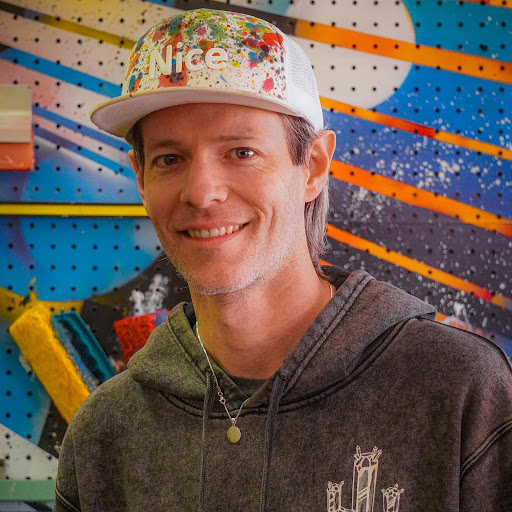
The article, What to Know Before Ordering Custom Screen Printing, features insights from Ian Browning, Screen Printing Expert of Tucson, AZ, in HelloNation.
About HelloNation
HelloNation is a premier media platform that connects readers with trusted professionals and businesses across various industries. Through its innovative “edvertising” approach that blends educational content and storytelling, HelloNation delivers expert-driven articles that inform, inspire, and empower. Covering topics from home improvement and health to business strategy and lifestyle, HelloNation highlights leaders making a meaningful impact in their communities.
HelloNation Staff
info@hellonation.com
www.hellonation.com
A photo accompanying this announcement is available at https://www.globenewswire.com/NewsRoom/AttachmentNg/5a9dba25-0ee8-4699-ae16-4cffbfd5cbca